
Planning a conference comes down to four phases: define the foundation, build the program and logistics, execute on site, and measure results afterward. Work through them in order and you’ll move from a blank page to a polished event with fewer surprises and far less last-minute scrambling. Expect a mid-sized conference to need six to twelve months of lead time, a modest planning team, and a clear budget before you touch a single vendor contract.
The process works because every decision depends on the one before it. Your goals shape your audience profile. Your audience profile drives the venue, the date, and the format. Your format determines staffing, technology, and catering. Skip a step and the cost shows up later, usually in the form of a venue that’s too small or a sponsor package nobody can justify.
This guide gives you the full sequence in plain language, plus the tools and materials to gather first, the safeguards that protect attendees and your budget, and the checks that confirm you’ve delivered. It reflects the approach of certified event professionals who pair proven methods with strategic innovation, so your conference runs smoothly and leaves a lasting impression. Whether you’re a corporate team, a community group, or a cultural organization, the steps below give you a clear path from concept to closing session.
Tools and Materials to Gather Before You Plan a Conference

Before you take step one, get your toolkit in place. Planners who start organized spend less time hunting for information and avoid the costly mistakes that come from deciding things in a rush. A few hours of setup now can save you weeks of backtracking later.
Here’s what to have ready:
- A planning timeline template, so every milestone from venue booking to post-event follow-up has an owner and a deadline.
- A budget tracker, which keeps costs visible and flags overspending before it becomes a problem.
- A venue and vendor shortlist, giving you quick comparisons of capacity, pricing, and availability.
- A registration platform, to collect attendee details, process payments, and track sign-ups in one place.
- A stakeholder contact list, so sponsors, speakers, and committee members are never more than a message away.
- A shared communication tool, such as a group chat or project board, that keeps your team aligned.
- A run-of-show template, which brings day-of clarity once the event is underway.
You don’t need expensive software to begin. A well-built spreadsheet can handle your timeline, budget, and contact list at the start, and you can move to dedicated platforms as the conference grows in size and complexity.
What matters most is that everyone on your team works from the same documents. When roles, dates, and figures live in one shared place, decisions get made faster and fewer details slip through. This is also where a certified planner earns their keep, since experienced teams usually arrive with proven templates and vendor relationships already in hand. Whichever route you take, build this foundation first and every later step becomes easier to manage.
Safety and Risk Considerations to Build In From Day One
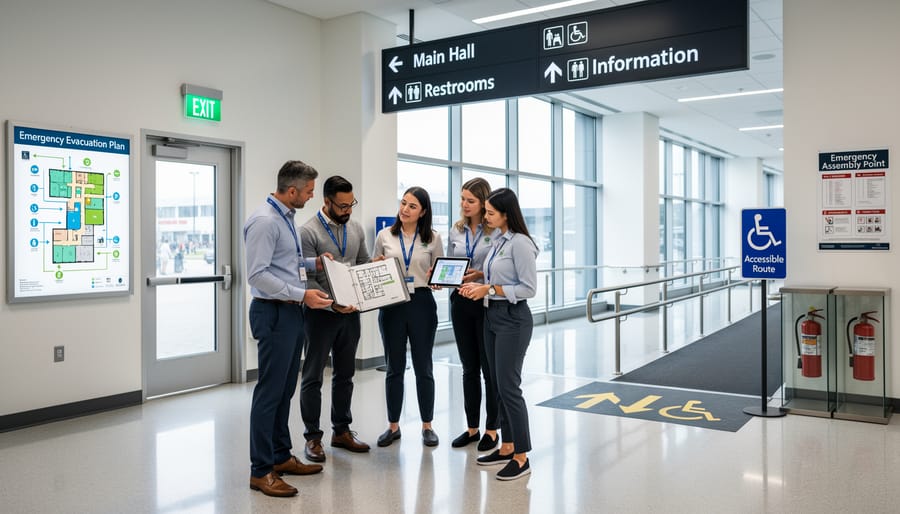
Safety planning protects your attendees and your budget, and it is far easier to build in at the start than to retrofit after contracts are signed. Treat each item below as a checkpoint you clear before money changes hands.
Begin with the venue itself. Confirm the legal capacity for your layout, not just the headline number, since theatre seating, rounds of ten, and standing receptions all carry different limits. Check accessibility early: step-free entrances, accessible washrooms, clear routes between rooms, and options for attendees with hearing or vision needs. Walk the space to locate emergency exits, ask where first-aid supplies are held, and confirm who on site is trained to respond.
Food needs careful handling too. Collect dietary and allergy information during registration, then pass it to your caterer in writing and ask how they prevent cross-contact. Clear labelling at every food station helps attendees make safe choices without having to ask.
Contracts and insurance come next. Read cancellation clauses, force majeure language, and payment schedules before you commit. Ask your insurer about event cancellation and liability coverage, and verify whether vendors carry their own policies.
Finally, prepare contingency plans. Identify an alternate indoor space or shuttle option for bad weather, and line up a backup speaker or a flexible agenda slot in case someone drops out. Share these plans with your planning team so everyone knows who decides what if something changes. A few hours of preparation here turns potential disruptions into manageable adjustments.
The Step-by-Step Conference Planning Process
Set Your Foundation: Goals, Audience, and Budget
Start with the goal, because every later choice (venue, speakers, catering, promotion) gets judged against it. Write down two or three measurable objectives, such as 300 paid registrations, 20 qualified sponsor leads, or 80 percent of attendees rating the content useful. “Raise awareness” is a wish; “reach 500 people in our target region” is a goal you can check.
Next, build a clear attendee profile. Who are they, what do they need to leave with, and what makes them say yes to a registration fee or a day off work? A corporate leadership audience expects polished logistics and tight scheduling, while a neighbourhood gathering benefits from the approach in this guide to community event planning. Even a small invite-only session deserves a deliberate private meeting strategy that matches its audience. Knowing your audience early keeps you from paying for features nobody wants.
Then set a realistic budget. List fixed costs first (venue, AV, catering, insurance), then variable ones (printing, travel, signage), and match them against expected revenue from tickets, sponsors, or grants. Add a contingency line of 10 to 15 percent. Price changes and last-minute needs almost always appear, and a cushion lets you absorb them without cutting quality.
Finally, assign roles. Even a small team needs a clear owner for each area: program, venue and logistics, vendors, marketing, and finance. Name one overall lead who makes final calls, and set a regular check-in schedule so decisions don’t stall. With goals, audience, budget, and team settled, you can move into venue and program choices with confidence.
Lock In the Venue, Date, and Program
Step 4 is choosing a date, and it deserves more attention than it usually gets. Check religious and cultural holidays, school breaks, major industry events and local festivals before you commit. A date that collides with your audience’s busiest season will quietly drain registrations, no matter how strong the program is. Build a shortlist of two or three options and test each against your stakeholder calendar.
Step 5 is evaluating venues. Start with capacity: your expected headcount should fill roughly 70 to 80 percent of the main room so it feels lively, not cramped. Then verify accessibility, including step-free entrances, accessible restrooms, clear signage and quiet spaces. Ask for the floor plan, the breakout room count and the AV setup, because these shape your agenda more than most planners expect.
Purpose matters as much as specs. A museum, a community hall or a conservation centre can reinforce your message, while a hotel ballroom offers convenience and predictable service. Specialized formats call for extra diligence. Planning public affairs events may mean choosing a neutral, accessible space close to civic offices, and CBD-themed events require confirming early that the venue permits the content and product discussion you have in mind.
Step 6 is building the agenda. Anchor it with your main keynote, then layer in sessions that serve each audience segment. Confirm speakers early, and give them clear time limits and technical requirements. Leave real breaks, at least 15 minutes between sessions and a proper lunch, because networking is often what attendees value most. Finish with a draft schedule you can share with vendors and partners.
Bring in Vendors, Registration, and Promotion
Step 7: Secure your suppliers. Start with the vendors that shape the attendee experience most: caterers, AV providers, and any specialty suppliers such as signage printers or photographers. Request written quotes from at least three options for each category, and compare what is included, not just the headline price. A cheaper AV package that excludes on-site technicians can cost more once you add them back.
Every agreement should spell out dates, delivery and setup times, cancellation terms, and a clear payment schedule. Confirm how dietary requests will be handled and who your day-of contact is. Getting these details in writing early prevents misunderstandings and protects your budget.
Step 8: Open registration and promote. Choose a registration platform that matches your needs, whether that is simple ticketing or tiered pricing with group discounts. Keep the form short. Ask only for what you need, such as contact details and dietary or accessibility requirements, because every extra field lowers completion rates.
Timing is your most cost-effective promotional tool. An early-bird rate, released several months out with a firm deadline, creates momentum and gives you a reliable view of turnout while there is still time to adjust. Build a simple promotion calendar that pairs each channel with your audience:
– Email to past attendees and partner organizations
– Professional networks and community or industry groups
– Social media posts featuring confirmed speakers
– Speaker and sponsor sharing, which extends your reach at no extra cost
Track registrations weekly. If numbers lag behind your target, you can add a targeted reminder or a limited-time offer well before the final push.
Finalize Logistics and Run the Event
Steps 9 and 10 turn a well-organized plan into a smooth live event. Start with the run-of-show, a minute-by-minute document covering every session, transition, meal, and tech cue. Include who is responsible for each item, where they should be standing, and what the backup plan is if something slips. Share it with every stakeholder at least a week out, then again the day before.
Next, brief your staff and volunteers in person or by video call. Walk through the run-of-show, show them the venue layout, and give each person a one-page role sheet with names and phone numbers for escalation. People who know exactly where to send a confused attendee solve problems in seconds instead of minutes.
Confirm every delivery in writing 48 hours ahead: catering arrival times, AV equipment, printed materials, and signage. Walk the venue the day before to check that directional signs, registration banners, and accessibility routes are placed where attendees will actually need them.
On the day, set up check-in early and test your system with a few dummy registrations. Position a greeter at the entrance, keep printed attendee lists as a fallback, and separate lines for pre-registered guests and walk-ins to keep the queue moving.
Keep communication flowing throughout the event:
– Equip core team members with radios or a shared messaging channel
– Assign one person to manage speaker timing and cues
– Use event app notifications or announcements for schedule changes
– Hold a brief team huddle at midday to catch small problems early
Calm, consistent communication is what keeps attendees feeling well looked after.
How to Verify Success and Plan Your Next Steps

Once the doors close, the real measurement begins. Verifying success means comparing what happened against the goals you set in step one, using evidence rather than impressions.
Start with attendee surveys, sent within 24 to 48 hours while memories are fresh. Ask about session value, venue comfort, and whether attendees would return. Pair those answers with hard numbers: registrations versus actual check-ins, session attendance, app or poll participation, and social engagement. A gap between sign-ups and no-shows often points to a timing or reminder problem you can fix next time.
Next, reconcile your budget against actuals line by line. Note where you came in under, where you overspent, and whether the contingency line was used well. Then gather feedback from vendors and speakers. Caterers, AV teams, and presenters see friction points that attendees never notice, like a slow load-in or an unclear run-of-show.
Finish with a planning team debrief within two weeks. Ask what worked, what didn’t, and what you’d change, and record the answers in a short report. Treat every finding as a chance to strengthen your next event, not as a verdict on this one.
A professional planning partner can add real strategic value here, translating raw results into practical improvements for the next edition. For a deeper look at structuring this kind of work, see our meeting planner guide.
Common Questions About Planning a Conference
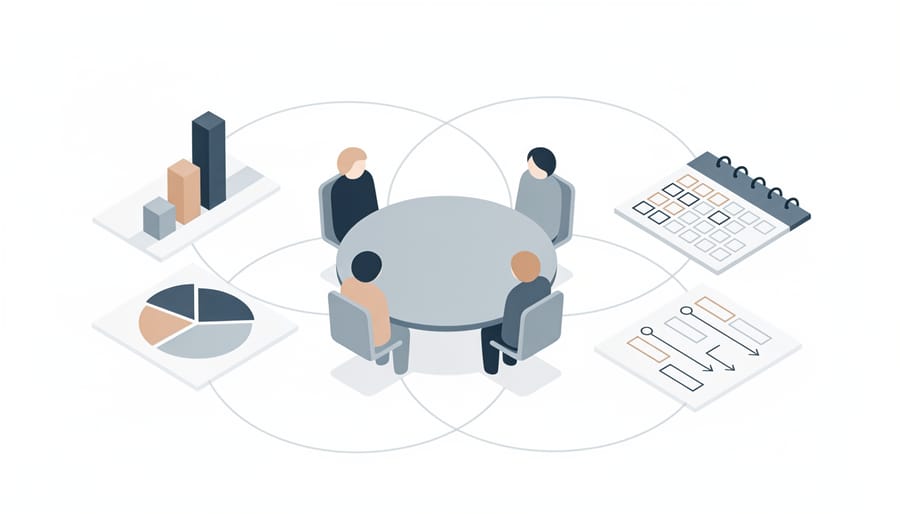
Most of the questions we hear come back to timing, money, and flexibility. Here are straight answers to the ones that come up most.
How far in advance should I start planning a conference?
For a mid-sized conference, aim to begin six to twelve months out. That window lets you secure your preferred venue and date, book speakers, and promote early. Smaller gatherings can often come together in three to four months, but venue choices narrow quickly.
How do I estimate a conference budget?
Start with your expected attendance, then price the big categories: venue, catering, AV, speakers, marketing, and staffing. Gather real quotes rather than rough guesses, and add a contingency line of roughly 10 to 15 percent for surprises.
When should I hire a certified event planner?
Consider bringing one in when your event has multiple moving parts, a tight timeline, or contracts you’re not comfortable negotiating alone. The earlier they join, the more value they add, since venue and vendor decisions shape everything that follows.
How do I handle last-minute changes?
Keep a short list of backup options for your most critical elements, such as a substitute speaker or an alternate room layout. Assign one person to approve changes and relay them to staff and vendors so everyone works from the same plan.
If your answers to these questions feel shaky, that’s a useful signal. Go back to your goals and budget before committing funds, since clarity there makes every later decision easier.
A great conference rarely comes from a burst of inspiration on event day. It comes from a series of sound decisions made in the right order: clear goals first, then budget, venue, program, vendors, promotion, and finally the run-of-show. When each step builds on the one before it, surprises shrink, costs stay predictable, and attendees feel the difference the moment they walk in.
Use this guide as a working checklist. Pull out the planning timeline, keep your budget tracker current, and revisit your risk plan whenever a major commitment is on the table. After the event, let your survey data and debrief notes shape the next one.
If you’d rather have an experienced partner at your side, London Conference-Canada Event Planners is ready to help. With over a decade of certified experience, our team delivers convenient, cost-effective planning grounded in strategic innovation. Reach out, tell us about your goals, and let’s build a conference your audience will remember.