
CBD-infused events now command serious attention from planners, but managing attendee expectations around placebo effects has become a strategic necessity in 2026. Successfully integrating CBD experiences into your programming requires balancing participant skepticism, regulatory compliance, and measurable outcomes without undermining the genuine wellness value these products can deliver. The core challenge isn’t whether CBD works, it’s ensuring your event design accounts for the powerful psychological factors that influence how attendees perceive and report their experiences.
Event professionals face a unique dilemma: CBD products generate real interest and attendance, yet scientific research consistently shows placebo responses account for a significant portion of reported benefits in wellness contexts. This doesn’t invalidate CBD-themed programming. Rather, it demands a more sophisticated approach to vendor selection, educational content, and outcome measurement. The planners who thrive in this space understand that managing placebo effects ethically actually strengthens event credibility rather than undermining it.
The methodology centers on transparency, third-party verification, and structured participant feedback systems. You’ll need to establish clear protocols for vetting CBD vendors, designing unbiased educational sessions, and collecting data that separates subjective experience from measurable physiological effects. This framework mirrors the same strategic thinking required for any private meeting overhaul where participant expectations must align with deliverable outcomes.
The following guide provides the tools, safety protocols, and verification methods needed to execute CBD-focused events that satisfy both skeptics and advocates while maintaining your organization’s professional standards.
Understanding the CBD Placebo Effect in Event Settings
The placebo effect occurs when a person experiences genuine physiological or psychological changes after using a substance, not because of the substance’s active properties, but because they expect those changes to happen. In CBD event settings, attendees who believe CBD will reduce their anxiety or improve their focus may report feeling calmer or more alert, even if the product’s cannabinoid content hasn’t yet metabolized or the dosage is insufficient to produce measurable biological effects. This phenomenon isn’t fraud or deception; it’s a documented neurological response where belief triggers real biochemical changes in the brain, releasing neurotransmitters that can alter mood, pain perception, and stress levels.
For event planners, this matters because attendee expectations directly shape the event experience and your reputation. If participants attribute all perceived benefits to CBD without understanding the placebo component, they may purchase products with unrealistic expectations, leading to disappointment when effects don’t replicate at home. Conversely, if your event dismisses subjective experiences entirely, you risk alienating attendees whose positive responses, whether placebo-influenced or pharmacologically based, are authentic to them. The challenge is designing programming that respects both the psychological reality of placebo responses and the scientific evidence base for CBD’s documented effects, such as reducing seizure frequency in specific epilepsy syndromes or modulating inflammation in controlled studies.
Understanding this distinction protects your event from two pitfalls: overpromising outcomes that exploit placebo responses, and undermining genuine interest by appearing dismissive of participant experiences. Clinically documented CBD effects typically involve consistent dosing over weeks, standardized cannabinoid ratios, and specific conditions, parameters rarely present in single-event tastings or brief demonstrations. Attendee experiences during your event, particularly immediate sensations of relaxation or focus shifts, often reflect a combination of placebo response, environmental factors like calming music or welcoming spaces, and the ritualistic aspects of product sampling. Recognizing these layers allows you to frame CBD experiences honestly, positioning your event as educational rather than therapeutic, and establishing the professional credibility that sets certified planners apart in this evolving market.
Essential Tools and Materials for Managing Expectations
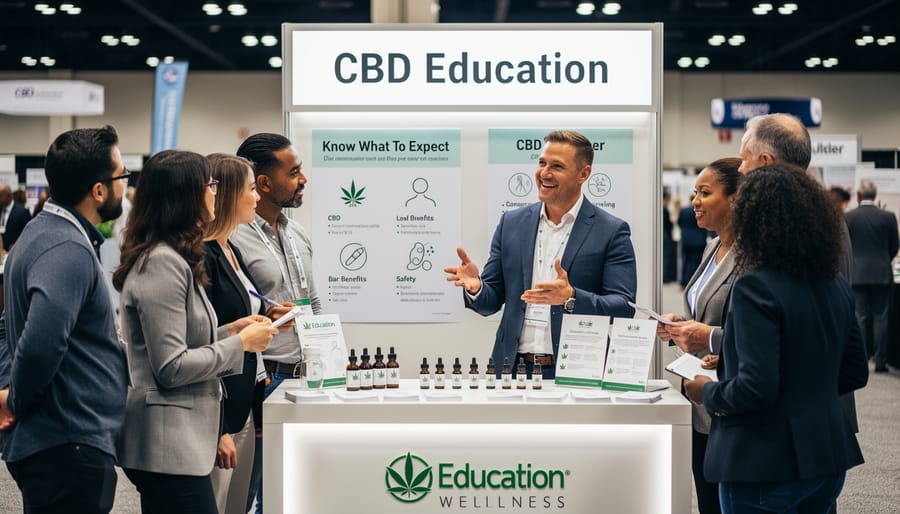
Managing placebo concerns at CBD-themed events requires deliberate preparation across five core areas: education, sourcing, expertise, measurement, and transparency. Each component supports credible programming that addresses attendee expectations without undermining engagement or creating legal liability.
Start by assembling comprehensive educational materials that separate documented effects from popular misconceptions. Develop concise fact sheets explaining CBD’s mechanisms, typical onset times, and the difference between immediate sensory experiences and cumulative benefits. Include dosage guides tailored to different delivery methods, tinctures, edibles, topicals, with clear language about variability in individual responses. These resources set realistic baselines before attendees form premature conclusions about what they’re experiencing.
Secure partnerships with certified CBD vendors who provide third-party lab testing and transparent sourcing documentation. Request certificates of analysis showing cannabinoid profiles, THC levels, and contaminant screening for every product featured at your event. Vendors who routinely supply this documentation demonstrate quality standards that reduce the risk of inconsistent or mislabeled products, which can amplify placebo effects when attendees attribute unexpected outcomes to CBD rather than product variance.
Essential resources for credible CBD event planning include:
- Educational fact sheets covering CBD mechanisms, typical effects, and common myths
- Certified CBD vendors with third-party lab testing and transparent supply chains
- Qualified speakers: healthcare professionals, researchers, or certified CBD educators
- Anonymous feedback surveys designed to capture attendee expectations versus actual experiences
- Product lab reports and certificates of analysis for all featured CBD items
- Signage templates with standardized disclaimers, dosage information, and legal compliance language
Recruit qualified speakers who can discuss CBD credibly: healthcare professionals with cannabinoid training, academic researchers, or certified wellness educators with verifiable credentials. Avoid self-proclaimed experts or brand representatives with obvious sales incentives. Structure panel discussions and Q&A sessions that welcome skeptical questions, including those about placebo responses, to build trust through open dialogue rather than defensive marketing language.
Implement structured feedback mechanisms that capture attendee perceptions before, during, and after product sampling. Design anonymous surveys with specific questions distinguishing immediate sensory impressions from claimed therapeutic outcomes. This data helps you understand whether messaging successfully calibrated expectations or whether attendees are still conflating placebo responses with CBD-specific effects, informing adjustments for future programming.
Safety Warnings and Ethical Considerations
Planners face serious legal and reputational risks if they fail to manage CBD events responsibly. Medical claims are a critical red line: do not allow vendors, speakers, or promotional materials to state or imply that CBD treats, cures, or prevents specific diseases or medical conditions. Even well-intentioned language like “relieves anxiety” or “reduces inflammation” can cross into prohibited territory depending on your jurisdiction. Always consult legal counsel familiar with FDA guidelines and your local regulations before finalizing any event messaging or product descriptions.
Product vetting is non-negotiable. Require third-party lab certificates of analysis (COAs) from every vendor offering samples or selling products at your event. These reports must confirm cannabinoid content, verify THC levels stay within legal limits (typically 0.3% or less), and screen for contaminants like pesticides, heavy metals, and residual solvents. Reject any supplier who cannot provide current, legitimate documentation. Low-quality or mislabeled products harm attendees and destroy your credibility, especially when placebo effects mask immediate quality issues.
Informed consent protects both planners and participants. Before any sampling or experiential activity, clearly disclose what attendees will receive, potential effects, dosage information, and any known risks or contraindications. Use signage, digital waivers, or verbal briefings to ensure attendees understand they are trying CBD voluntarily and should consult healthcare providers about interactions with medications or existing conditions. Document this process for liability protection.
Avoid exploiting placebo responses through manipulative design. Do not use suggestive language, ambient cues, or experiential staging that intentionally amplifies expectations beyond what CBD can deliver. Phrases like “feel the difference instantly” or “transformative wellness experience” mislead attendees and set up disappointment when effects don’t match the hype. Your ethical obligation is education and transparency, not maximizing placebo-driven satisfaction scores. Design experiences that encourage critical reflection rather than uncritical belief.
Step-by-Step Process for Designing Transparent CBD Events
Step 1: Define Event Objectives and Set Realistic Expectations
Before selecting vendors or designing programming, you need a clear definition of what your CBD-themed event should accomplish. Start by identifying the primary purpose: is this an educational seminar aimed at debunking myths and explaining cannabinoid science, an experiential showcase where attendees sample and compare products, a networking mixer connecting industry professionals, or a product launch introducing a new CBD line? Each format demands a different approach to messaging and expectation-setting.
Once you’ve chosen a focus, establish boundaries around what CBD can realistically deliver within the event timeframe. Many attendees arrive expecting immediate relaxation, pain relief, or mood enhancement, but CBD’s documented effects often emerge gradually and vary by individual, dosage, and product type. Your messaging must acknowledge these limitations without diminishing interest. For example, an educational event can explain bioavailability and onset times, while an experiential session can guide participants to notice subtle sensory changes rather than dramatic transformations.
Document these objectives and parameters in a brief that aligns with your broader event strategy guide ensuring every subsequent decision, from speaker selection to product vetting, reinforces realistic, evidence-based expectations rather than hype.
Step 2: Vet and Select Certified CBD Vendors and Partners
Partnering with reputable CBD vendors is non-negotiable for events that aim to address placebo concerns head-on. Start by requesting third-party lab reports (Certificates of Analysis) for every product you plan to feature. These COAs should verify cannabinoid content, confirm THC levels remain within legal limits, and screen for contaminants like pesticides, heavy metals, and residual solvents. Suppliers who hesitate or claim proprietary exemptions raise immediate red flags.
Evaluate sourcing transparency. Ask vendors where their hemp is grown, whether they use organic practices, and how they extract CBD. Reputable brands openly share supply chain details and farming certifications. Cross-check their claims against industry databases or certification programs that validate good manufacturing practices.
Prioritize brands that employ in-house or consulting scientists, pharmacologists, or certified herbalists. These credentials signal a commitment to evidence-based formulation rather than marketing hype. During vendor meetings, probe how they discuss benefits: credible partners acknowledge research limitations and avoid sweeping health claims.
Finally, request samples well in advance. Test them yourself and solicit feedback from a small focus group. This firsthand evaluation helps you assess product quality, taste, and whether the vendor’s messaging aligns with the transparent, education-first tone your event requires. Building a vetted vendor roster protects your credibility and shields attendees from substandard products that could amplify placebo skepticism.
Step 3: Design Educational Programming and Expert Panels
Recruit healthcare professionals, pharmacologists, or certified CBD educators to lead panel discussions and workshops that distinguish evidence-based outcomes from placebo-driven perceptions. These experts should address the science behind CBD’s documented effects, such as interactions with the endocannabinoid system, while openly discussing why placebo responses occur and how they influence user experiences. Structure sessions to encourage audience questions, allowing skeptics to voice concerns and receive credible, non-defensive answers.
Design programming that mirrors the rigor of public affairs events: prioritize verified credentials, fact-based presentations, and transparent discussion of limitations. Include case studies from clinical trials that separate measured physiological changes from self-reported improvements. Use visual aids like dosage charts, bioavailability timelines, and comparison tables to make complex information accessible without oversimplifying.
Consider breakout sessions where attendees review actual lab reports, discuss regulatory frameworks, or participate in blind-sample exercises that reveal how context and expectation shape their perceptions. This hands-on approach demystifies the placebo effect while reinforcing the event’s commitment to education over hype, strengthening attendee trust and positioning your event as a credible source in a market crowded with unsubstantiated claims.
Step 4: Implement Transparent Labeling and Disclosure Protocols
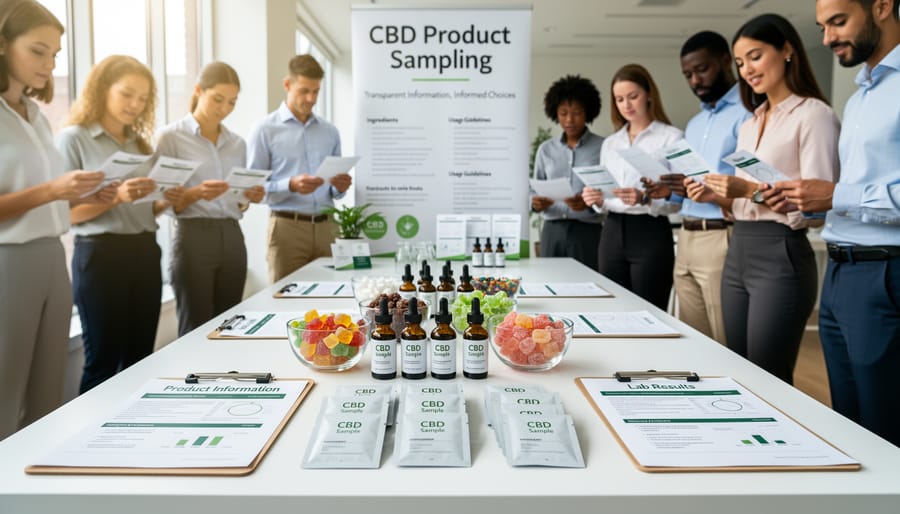
Every CBD product at your event must display dosage information in milligrams, a complete ingredient list, and batch-specific third-party lab reports showing cannabinoid content and contaminant testing. Place QR codes on product stations that link directly to full certificates of analysis so attendees can verify claims instantly.
Create prominent signage at sampling areas stating that CBD effects vary by individual, dosage, and formulation, and that some perceived benefits may be influenced by expectations rather than pharmacological action. Avoid language like “relieves” or “treats” unless supported by regulatory approval. Instead, use neutral phrasing: “commonly used for” or “intended to support.”
Digital displays should rotate between product information, dosage guidelines, and educational content explaining onset times and realistic expectations. For edibles, clearly state delayed absorption means effects won’t appear during the event.
Provide printed disclosure cards attendees can take home, summarizing what they sampled, recommended usage, and where to access additional research. This documentation protects both planner and participant by establishing informed consent and demonstrating your commitment to transparency over hype.
Step 5: Create Controlled Sampling and Feedback Mechanisms
If your event includes product sampling, structured stations prevent unguided experiences that amplify placebo responses. Design tasting or trial areas with clear protocols: provide standardized serving sizes, timing markers (note effects at 15, 30, 60 minutes), and sensory checklists that separate immediate taste or texture from physiological changes. Train staff to guide attendees through the experience without suggesting outcomes.
Use feedback cards or digital forms that ask targeted questions: “What did you notice in the first five minutes versus after thirty?” and “Which effects did you expect, and which surprised you?” These prompts help attendees reflect critically rather than confirming pre-existing beliefs. Collect responses anonymously to encourage honesty and reduce social pressure to report positive effects.
Aggregate feedback reveals patterns, whether perceived benefits align with realistic CBD timelines or if placebo responses dominate. This data informs future event design and helps you refine educational messaging. Controlled sampling turns product trials into learning moments that build attendee sophistication and reinforce your event’s commitment to transparency and evidence-based experiences.
Verification and Next Steps: Measuring Event Success and Maintaining Credibility

Verification begins immediately after your CBD-themed event concludes. Deploy post-event surveys within 24 hours while experiences remain fresh. Ask targeted questions: Did attendees feel the educational content clarified CBD’s documented effects versus placebo responses? Could they distinguish between product quality markers and marketing claims? Rate their confidence in making informed CBD decisions on a scale. Include open-ended prompts for unexpected insights or lingering confusion.
Analyze feedback patterns to identify gaps. If 40% of attendees still conflate immediate relaxation with CBD’s pharmacological action, your next event needs stronger expert panels or interactive demonstrations showing onset timelines. If survey data reveals skepticism about vendor transparency, tighten your certification requirements and make lab reports more prominent. Cross-reference qualitative comments with quantitative ratings to spot disconnects between stated satisfaction and actual comprehension.
Distribute follow-up resources within one week: fact sheets summarizing key points, links to peer-reviewed research, and contact information for certified CBD educators. Position these materials as value-added tools rather than remedial homework. Create a dedicated event landing page hosting session recordings, speaker bios, and curated articles addressing common misconceptions raised during the event.
Build credibility through consistency. Document lessons learned and integrate them into your meeting strategy 2026 planning. If certain transparency protocols resonated strongly, standardize them across future CBD events. Share anonymized success metrics with prospective vendors and sponsors to demonstrate your commitment to evidence-based programming.
Maintain momentum by launching a quarterly email series addressing emerging CBD research, regulatory updates, and case studies from past events. This positions you as a trusted resource beyond individual gatherings and creates anticipation for your next event while continuously reinforcing ethical messaging around placebo awareness.
Frequently Asked Questions About CBD Placebo and Event Planning
What is the CBD placebo effect and why does it matter for my event?
The CBD placebo effect occurs when attendees experience perceived benefits based on their expectations rather than the product’s pharmacological properties. Understanding this helps you design programming that separates subjective impressions from documented outcomes, maintaining credibility while managing realistic expectations.
How can I prevent misleading attendees without undermining the event’s appeal?
Lead with education and transparency rather than hype. Frame CBD as a wellness option with emerging research rather than a cure-all, provide clear dosage information and lab reports, and emphasize the experiential and networking aspects of your event alongside product education.
Should I mention the placebo effect in marketing materials?
You don’t need to highlight it explicitly in promotional content, but your event programming should address it through expert panels and educational sessions. Position your event as informed and science-based rather than avoiding the topic, which strengthens credible event planning and differentiates you from less rigorous competitors.
What legal risks should I be aware of?
The primary concerns are making unverified health claims, violating local CBD regulations regarding THC content and product sales, and potential liability if attendees experience adverse effects. Work with legal counsel familiar with cannabis and event law in your jurisdiction, require vendor insurance, and use clear disclaimers throughout your event materials.
How do I identify credible CBD vendors for my event?
Prioritize vendors who provide third-party lab certificates of analysis, transparent sourcing information, and clear product documentation. Ask for proof of business licensing, liability insurance, and compliance with local regulations, and verify they avoid making prohibited medical claims in their marketing materials.
These questions reflect the practical challenges planners face when navigating CBD-themed events in a landscape where expectations often outpace evidence. Addressing them proactively in your planning process reduces risk and positions your event as a trusted resource rather than just another promotional platform.
Addressing the CBD placebo effect is not a limitation, it’s a strategic advantage for event planners who want to stand out in 2026’s competitive CBD event landscape. By acknowledging how expectations shape attendee experiences, you demonstrate transparency, build trust, and position your events as credible educational platforms rather than superficial product showcases.
The planners who succeed are those who integrate certified expertise, rigorous vendor vetting, and structured programming that separates documented benefits from perception. When you design events around clear objectives, transparent disclosure, and expert-led content, you create meaningful experiences that educate rather than mislead. Attendees leave informed, skeptical in the best sense, and more likely to engage with CBD products thoughtfully beyond the event itself.
Treating the placebo conversation as an asset rather than a hurdle sets a higher standard for the industry. It signals professionalism, reduces legal and reputational risk, and appeals to corporate clients and community organizations seeking responsible partners. Your commitment to ethical practices and evidence-based messaging becomes a differentiator that attracts discerning audiences and builds long-term credibility.
The CBD events market will continue evolving, and those who lead with honesty, structure, and innovation will define its future. Equip your attendees with knowledge, manage expectations proactively, and deliver value that extends beyond the venue. That approach transforms a single event into a foundation for ongoing engagement and positions you as a trusted authority in a sector where integrity matters most.