
Oral and topical KPV models are laboratory systems that researchers use to study how the tripeptide KPV behaves when delivered through the gut or applied to the skin, mainly in inflammation-focused preclinical work. Oral models typically use cell cultures or animal studies to examine intestinal tissue, while topical models focus on skin and barrier responses. Both exist to answer early questions, not to prove outcomes in people. Researchers sourcing material for this kind of work often start with a supplier such as kylopeptides.com/product/kpvwhich lists KPV for laboratory research use.
This guide explains what these models are, who is qualified to run them, which rights and obligations apply, and where to find support. Like any well-run event, good research depends on certified expertise, careful planning, and strategic innovation in how each step is designed and documented.
Key Takeaway: KPV models are laboratory tools for studying inflammation-related questions, and what they produce is early-stage data. Findings from them are not proof of benefit in people.
Read on for a clear, structured walkthrough of how the work is set up and governed.
What Oral and Topical KPV Models Are in Preclinical Research
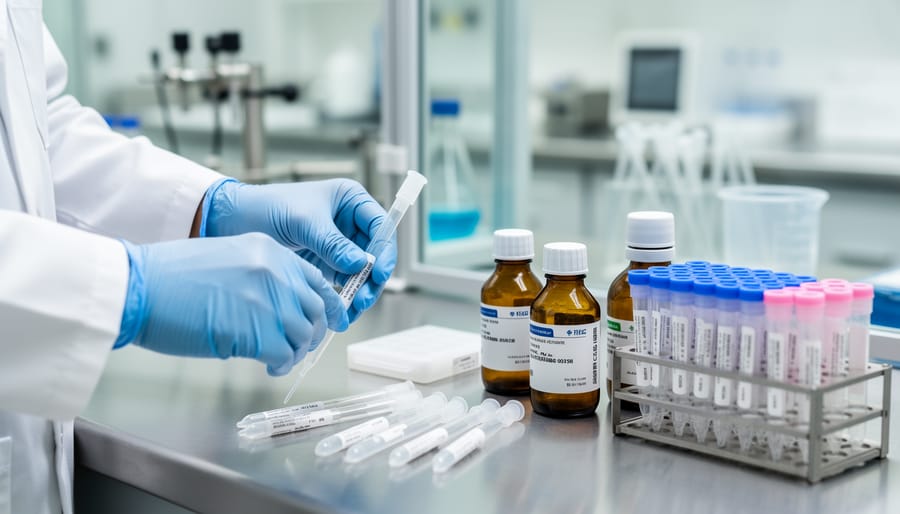
Understanding KPV and the Purpose of Preclinical Work
KPV is a tiny molecule, just three amino acids long: lysine, proline, and valine. It comes from the tail end of alpha-melanocyte-stimulating hormone (alpha-MSH), a natural signaling peptide the body uses, among other jobs, to help keep inflammation in check. Researchers noticed that this short fragment seemed to carry much of that calming activity, which made it an appealing, compact candidate to study.
That curiosity is why KPV shows up in laboratory work. Scientists want to understand how it interacts with cells involved in inflammatory signaling, and whether those interactions hold up in living systems.
Preclinical research is where those questions get their first real test. It happens before any human trials, in cell cultures and carefully overseen animal models, and it focuses on basic questions: Does the compound behave as expected? How does it move through tissue? What does it do to inflammatory markers?
Think of preclinical work as an early checkpoint in a long pathway. It builds the foundation of evidence that later stages depend on, but it is never the finish line.
How Oral and Topical Delivery Models Differ
Oral and topical models answer different questions, so researchers pick the route first and build the rest of the study around it. Oral models look at what happens when the compound passes through the digestive tract. Investigators use them to examine gut-related inflammation and, in some designs, wider systemic effects. Topical models apply the compound directly to the skin, which suits questions about surface-level inflammation and local tissue response.
Route matters because each one puts the compound through a different environment. A compound taken by mouth has to survive digestion and be absorbed before it can act, while a topical formulation has to cross the skin barrier and stay stable in its carrier. Those hurdles shape dosing, formulation, and how results are measured.
| Delivery model | Typical research focus | Common study setting | Key design consideration |
|---|---|---|---|
| Oral | Gut-related and systemic inflammation | Laboratory animal studies | Stability and absorption through digestion |
| Topical | Skin and surface-level inflammation | Skin tissue and animal skin models | Formulation and penetration of the skin barrier |
Because the two routes can’t be compared like for like, findings from one don’t automatically carry over to the other. Clear documentation of the chosen route keeps results easier to interpret and to replicate.
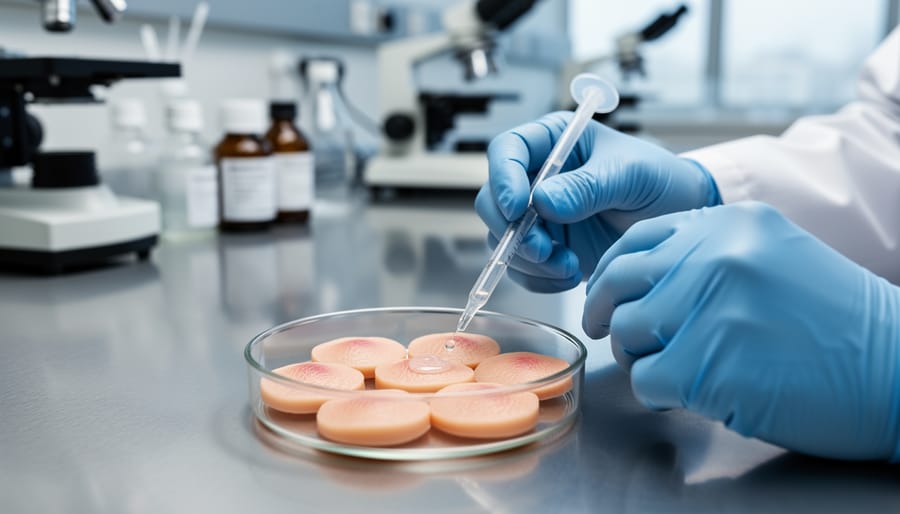
Common Research Questions These Models Address
Investigators use oral and topical KPV models to ask focused, testable questions before any human work is considered. The route of delivery shapes which questions make sense, so each model is paired with a clear research aim.
Typical questions include:
- How does KPV influence inflammatory signaling pathways in gut tissue versus skin tissue?
- What tissue response appears at the study site after oral or topical exposure?
- How stable is the compound within different delivery formats, such as solutions, gels, or capsules?
- How much of the compound reaches the target tissue, and how quickly?
- Are the observed effects consistent across repeated experiments and separate study groups?
Answering these questions in a controlled setting helps teams refine study design and decide what deserves deeper investigation, while keeping conclusions appropriately cautious.
Who Can Work With These Models: Eligibility and Qualifications
Institutional and Professional Requirements
A team qualifies to run preclinical KPV studies through three things working together: credentials, facilities, and oversight. Credentials come first. Principal investigators typically hold advanced degrees in pharmacology, immunology, or a related life science, and the people handling animals complete formal training in humane handling, dosing techniques, and biosafety before they touch a protocol.
Facilities matter just as much. Oral and topical models both depend on controlled housing, accurate dosing equipment, and secure storage for test compounds. Many institutions run their animal work through an accredited vivarium and follow recognized good laboratory practice standards, which keeps data consistent from one study to the next.
Oversight ties it all together. Every project passes through an institutional review process, usually an animal care and use committee plus a biosafety review, before work begins. Research offices and compliance staff then track amendments, training records, and audits throughout the study.
For organizers planning seminars or community education sessions on this work, certified expertise in event planning helps present these requirements clearly, so audiences see how rigorous, well-governed research is structured.
What These Models Are Not Intended For
KPV preclinical models are built for one job: helping qualified teams ask careful questions about inflammation in controlled laboratory systems. That scope is deliberately narrow. These models are not a consumer product, a home protocol, or a stand-in for an approved therapy, and nothing about the research setting suggests otherwise.
The reason is straightforward. A result seen in cells or in an animal study shows that something is worth investigating further, not that it will behave the same way in a person. Doses, delivery formats, and biological responses can differ widely, and many promising early findings never advance. That is exactly why the research pathway includes several more stages before any human use is considered.
For anyone with questions about their own health, the right step is a conversation with a qualified clinician, who can weigh individual circumstances that laboratory models simply cannot capture.
Research Rights and Obligations: Ethics, Safety, and Documentation
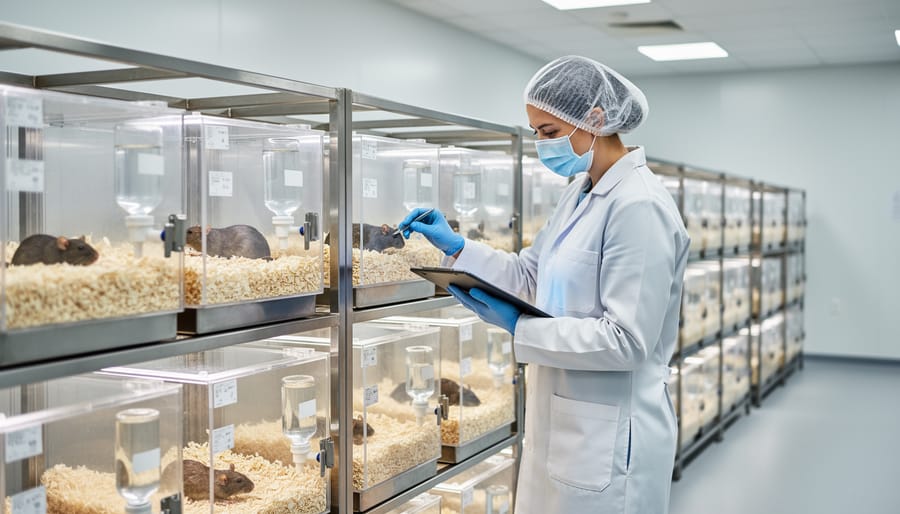
Ethical Oversight and Welfare Standards
Before any preclinical KPV study begins, the protocol goes through institutional review. In most research settings, an animal care committee examines whether the work is scientifically justified, whether the procedures are humane, and whether the team is qualified to carry them out. Universities typically publish their own IACUC policies and guidelines to show how this review works in practice.
Responsible design rests on three widely recognized principles: replace animal use where an alternative exists, reduce the number of subjects to what the question genuinely requires, and refine procedures to limit distress. For oral and topical models, that can mean careful dosing plans, appropriate monitoring, and clear humane endpoints. Approval is not a one-time event, either. Committees continue to oversee studies as they run, which keeps welfare standards visible from the first protocol draft through final reporting.
Study Design, Compliance, and Reporting Steps
Most preclinical KPV studies, whether they use oral or topical delivery, follow the same compliance sequence. It starts with a written protocol that states the research question, the model, the delivery route, the number of subjects and the endpoints. Before any work begins, that protocol goes to the institution’s ethics or animal care committee. Reviewers may ask for revisions, and approval is required before the first subject is enrolled.
Once approved, the team conducts the study exactly as written. Any deviation, such as a change in dose or schedule, needs a documented amendment and a fresh sign-off. Researchers keep dated records of every procedure, observation and measurement, since those logs are what make results traceable.
After data collection, the team reviews the results, often with a colleague who wasn’t involved in running the experiments. Analysis methods should be fixed in advance rather than chosen after the fact. Finally, findings are reported openly, including null or unexpected outcomes, through institutional reports, preprints or peer-reviewed journals.
Reading Preclinical Results Responsibly
Preclinical results are best read as early signals, not settled answers. Start with sample size. A handful of subjects per group can produce striking differences that vanish when the study is repeated at scale, so look for clear group numbers and whether the researchers explained how they chose them.
Next, consider the model itself. A rodent skin model or an oral gut-inflammation model captures only part of a complex biological picture, and results rarely map neatly onto humans. Check whether the work was blinded and whether controls were used.
Finally, give weight to reproducibility. A finding gains credibility when independent teams, using their own materials and methods, reach similar conclusions. Until then, treat it as a promising lead worth testing further.
Where to Get Help: Resources for Researchers and Event Organizers
Getting reliable support starts with knowing who handles what. Researchers working with KPV models rarely need to figure out ethics, funding, and public communication alone, because each has a dedicated source of guidance.
| Type of Support | What It Offers | When to Contact Them |
|---|---|---|
| Institutional ethics office | Protocol review, animal welfare oversight, compliance guidance | Before drafting or changing any study protocol |
| Research funding council | Grant programs, reporting standards, policy updates | During project planning and budgeting |
| Professional scientific association | Peer networks, best-practice statements, conferences | When seeking review, collaboration, or training |
| Event planning partner | Logistics, program structure, audience engagement | When sharing research with the public or peers |
Regulatory bodies deserve a mention too. If a question touches on safety rules or what counts as permitted research use, go to the official agency rather than relying on secondhand summaries. Your institution’s research office can usually point you to the right contact.
Once the science is sorted, the next step is explaining it clearly. This is where experienced planners add real value for science, community, and environmental organizations. A seminar on preclinical research works best when the agenda is tight, the speakers are matched to the audience, and the message stays accurate. Certified event professionals bring that discipline, along with strategic innovation in formats, from panel discussions to hands-on workshops.
Good planning begins early. Many organizers find it helpful to plan from start to finish with a clear timeline, so speaker approvals and venue details never collide. Sound budget planning keeps the program realistic, and the same principles that help you engage and inspire a community audience apply just as well to a science-education session. For larger gatherings, this practical guide to a successful conference covers the essentials.
Frequently Asked Questions About KPV Preclinical Models
What does “preclinical” mean?
Preclinical research covers the laboratory and animal studies done before a compound is ever tested in people. It’s where scientists look at basic behavior, safety signals, and biological activity under controlled conditions.
Why use both oral and topical models?
Delivery route shapes how a compound behaves, so each model answers different questions. Oral models explore gut-related and systemic inflammation, while topical models focus on skin and surface-level tissue response.
Do preclinical results apply to people?
Not directly. Findings from these models guide the next stage of research, but they can’t be treated as proof of benefit or safety in humans, and they shouldn’t inform personal health decisions.
Who oversees this kind of research?
Institutional ethics and animal care committees review protocols before work begins. National research councils and relevant regulatory bodies set the wider standards for welfare, safety, and reporting.
Hosting an accurate science-education event comes down to clear planning and credible voices. Organizations that invite qualified researchers, set plain-language goals for each session, and build in time for audience questions tend to see the strongest outcomes. Community, cultural, and environmental groups can lean on certified event planners to structure seminars so complex topics stay accessible. A well-organized agenda, a reliable speaker line-up, and a clear statement that the content is educational rather than medical advice all help attendees leave with an accurate understanding of how preclinical research works.
Oral and topical KPV models give researchers two distinct ways to examine inflammation before any human study begins. Oral models explore gut-related and systemic questions, while topical models focus on skin and surface responses. Both belong in qualified laboratories, run by credentialed teams working under institutional oversight, and they are not meant for personal use.
Responsible work means ethical review, animal welfare standards, careful documentation, and honest reporting. It also means reading results with care, since a preclinical finding is a starting point rather than a conclusion about people. When questions come up, research offices, ethics boards, and professional scientific associations are good places to start.
Looking ahead, well-planned events can help communities and organizations understand research with clarity and confidence. With certified expertise and strategic innovation behind the planning, seminars and conferences turn complex science into accessible, trustworthy conversations.


