
Planning successful urban planning and public affairs events in 2026 requires orchestrating multi-stakeholder dialogue sessions that balance regulatory compliance, community input, and strategic policy outcomes. These events bring together government officials, private developers, advocacy groups, and residents to shape zoning decisions, infrastructure investments, and civic policies that affect entire communities. The core method centers on structured stakeholder engagement frameworks combined with transparent documentation protocols that satisfy both legal requirements and public trust.
The complexity lies not in logistics alone but in creating environments where competing interests can reach consensus. A neighborhood rezoning forum differs fundamentally from a corporate product launch. You’re managing public comment periods mandated by statute, accommodating accessibility requirements that go beyond ADA minimums, and documenting proceedings that may become part of official records. Success depends on certified expertise in both event management and the regulatory landscape governing public participation.
Professional planners executing these events in 2026 face heightened expectations around digital accessibility, hybrid participation models, and real-time transparency. Municipal clients now routinely require live-streamed proceedings with multilingual captioning, digital comment submission systems that integrate with official dockets, and post-event analytics demonstrating demographic reach. The stakes are high. Poorly managed public engagement can derail billion-dollar projects, trigger legal challenges, or erode community trust for years.
This guide provides the strategic framework and tactical tools you need to plan urban planning and public affairs events that meet regulatory standards while fostering genuine stakeholder collaboration. You’ll learn how to structure agendas that satisfy procedural requirements, select venues and technologies that support inclusive participation, and implement verification systems that document compliance and outcomes.
Essential Tools and Materials for Urban Planning Events
Physical Infrastructure Requirements
Urban planning events require venues that reflect the inclusive, community-centered values these gatherings aim to promote. Location matters more than aesthetics: choose facilities within or near the neighborhoods most affected by the planning initiatives under discussion, ensuring residents can attend without lengthy commutes or transportation barriers. Public transit access, ample parking, and ground-floor entrances remove participation obstacles for diverse stakeholder groups.
Meeting spaces must accommodate multiple formats simultaneously. Plan for a main presentation area with robust audiovisual capabilities, plus at least two breakout rooms for focused small-group discussions on zoning proposals, infrastructure projects, or policy alternatives. Calculate 20-25 square feet per person in the main room to allow comfortable seating arrangements that encourage dialogue rather than lecture-style passivity.
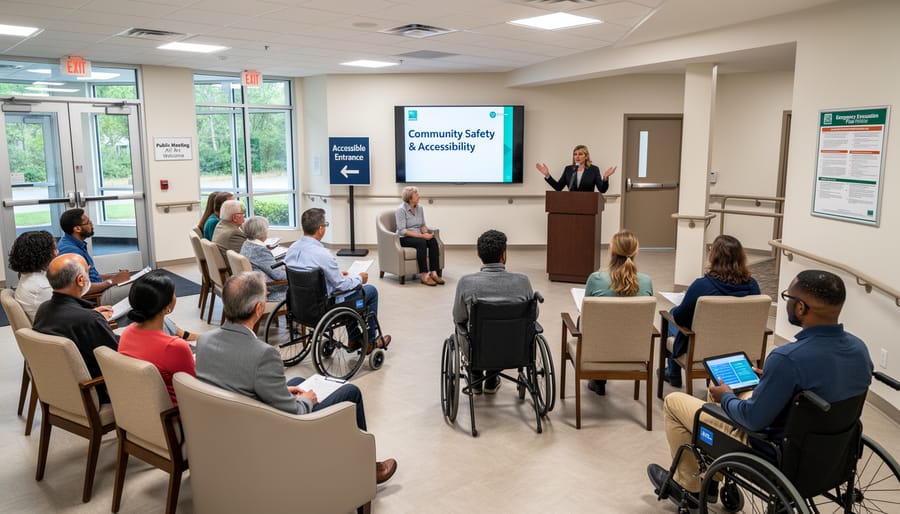
Government-hosted events carry specific legal obligations under ADA Title II accessibility duties requiring wheelchair-accessible entrances, restrooms, stage areas, and seating. Review your venue against an ADA compliance checklist during site selection, not after contracts are signed. Verify adequate aisle widths (minimum 36 inches), accessible table heights for document review stations, and assistive listening systems for hearing-impaired participants. Even private sector-organized events benefit from full accessibility compliance, as urban planning stakeholders represent the entire demographic spectrum of the community.
Digital and Technology Platforms
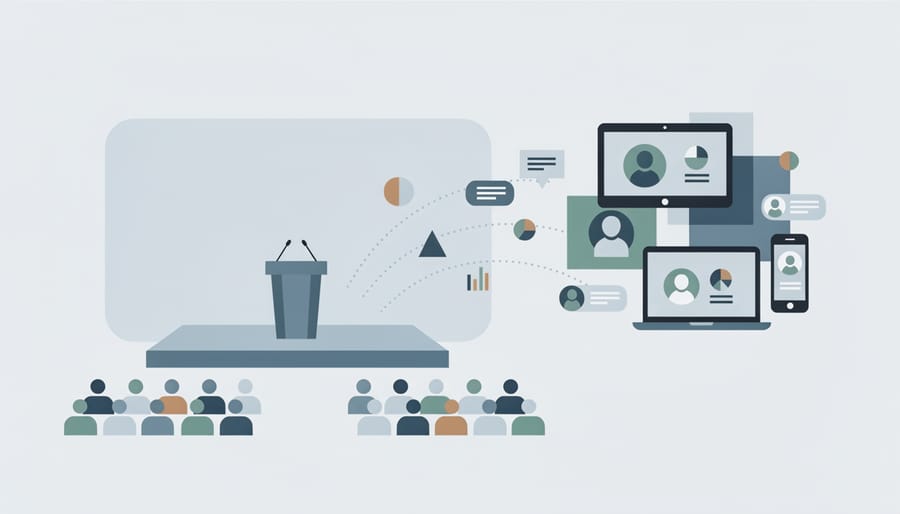
Modern urban planning events demand sophisticated digital infrastructure that bridges physical and virtual participation. Specialized platforms like Zoom for Government and Microsoft Teams for Public Sector provide compliant video conferencing with features designed for hybrid public meetings including waiting rooms, breakout capabilities, and automatic transcription services that meet accessibility standards.
Interactive engagement tools such as Mentimeter, Slido, and PublicInput.com enable real-time polling, Q&A management, and structured comment submission that organizers can moderate and document. These platforms generate timestamped records essential for public meeting compliance while creating inclusive environments where remote participants contribute equally.
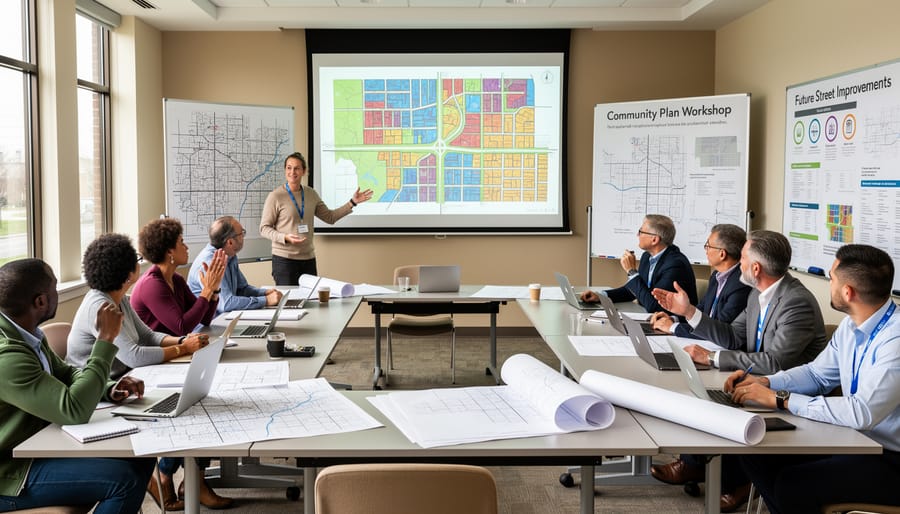
Project visualization software, ArcGIS StoryMaps, SketchUp for urban design presentations, and Mural for collaborative planning exercises, transforms complex zoning proposals and infrastructure plans into accessible formats that non-technical stakeholders can understand and discuss meaningfully.
Document management systems like SharePoint or dedicated public portal solutions ensure transparent distribution of meeting materials, collect written feedback, and maintain permanent public records. Integrated CRM platforms track stakeholder engagement across multiple touchpoints, helping planners identify participation gaps and refine outreach strategies for subsequent events while maintaining the data privacy protections that public sector work requires.
Safety and Compliance Considerations
Public Meeting Legal Requirements
Official public meeting laws require strict compliance when government agencies conduct public affairs events. Meeting planners must post advance notice, typically 24 to 72 hours depending on jurisdiction, through designated public channels including official websites, local newspapers, and physical posting locations. These notices must specify the meeting’s time, location, agenda items, and participation procedures.
Transparency mandates demand that all official discussions occur in public view unless specific exemptions apply (personnel matters, pending litigation, or security concerns). Planners must ensure adequate public seating, accessible comment submission methods, and opportunities for citizen input on agenda items.
Record-keeping obligations are comprehensive. You must maintain detailed minutes documenting attendance, decisions made, votes recorded, and public comments received. Many jurisdictions now require audio or video recordings of proceedings, stored as permanent public records. Documentation must be available for public inspection within specified timeframes, often three to ten business days post-event.
Compliance requirements vary significantly by state and municipality. Pennsylvania Sunshine Act requirements for instance, mandate specific posting locations and timeframes distinct from other states. Verify local regulations during your initial planning phase to avoid legal challenges that can invalidate meeting outcomes.
Physical and Digital Security Protocols
Urban planning events often address sensitive topics, zoning changes, affordable housing mandates, environmental regulations, that can generate strong emotions among stakeholders. Your security protocol must balance open participation with practical protection.
Start with threat assessment during the planning phase. Review the topic’s controversy level, identify stakeholder groups with opposing interests, and consult with local law enforcement if needed. For contentious issues like redevelopment projects or rezoning proposals, consider hiring professional security personnel trained in de-escalation techniques.
Implement physical security measures proportionate to risk. Position security staff at entrances to manage access, establish clear entry and exit routes, and create separate areas for media if press attention is expected. For high-stakes meetings, use metal detectors or bag checks while maintaining respect for participants’ dignity.
Protect digital security with equal rigor. Use encrypted platforms for hybrid meetings, require authenticated access for virtual participants, and implement secure document-sharing systems that prevent unauthorized downloads of sensitive planning documents. Restrict recording capabilities to official channels only.
Establish behavior protocols in advance: clear ground rules for respectful discourse, designated speaking procedures, and predetermined responses to disruptions. Brief facilitators on intervention techniques that maintain order without stifling legitimate dissent.
Step-by-Step Process: Planning Your Urban Planning Event
Phase 1: Stakeholder Identification and Needs Assessment
Successful urban planning events require a systematic approach to identifying and understanding every party affected by or interested in the proposed project or policy. Begin by conducting comprehensive stakeholder mapping that categorizes groups across four dimensions: influence level, interest intensity, potential impact, and engagement capacity.
Start with obvious institutional stakeholders, municipal planners, elected officials, regulatory bodies, and relevant government departments. Then expand to community organizations, neighborhood associations, environmental advocacy groups, business improvement districts, and local chambers of commerce. Don’t overlook less visible but critical voices: residents without formal organizational affiliations, accessibility advocates, cultural heritage groups, and demographic segments like seniors, youth, or newcomers who may face barriers to participation.
For each stakeholder group, document their primary concerns, preferred communication channels, past involvement in similar processes, and potential objections or support positions. Create a matrix that ranks each group by power to influence outcomes and legitimacy of their interest in the project. This analysis determines appropriate engagement levels, from simple information sharing for low-interest groups to deep collaboration with high-influence partners.
Interview key representatives from major stakeholder categories before finalizing your event format. These conversations reveal practical constraints (meeting times that exclude working parents, venues inaccessible to disabled residents) and strategic opportunities (trusted community leaders who can amplify outreach). This groundwork ensures your event design reflects actual stakeholder needs rather than planner assumptions.
Phase 2: Setting Clear Objectives and Outcomes
Every successful urban planning event starts with crisp, measurable objectives that serve dual masters: public accountability and operational efficiency. Before booking venues or designing agendas, define what success looks like in concrete terms.
Start by identifying your primary purpose. Are you collecting community feedback on a rezoning proposal? Building consensus among diverse stakeholder groups? Presenting technical plans for public review? Each purpose demands different success metrics. Public input sessions might measure success by demographic representation and comment volume, while consensus-building meetings track agreement levels and action item commitments.
Frame objectives as specific outcomes: “Gather input from at least 100 residents representing five neighborhood demographics” beats “engage the community.” Similarly, “achieve preliminary approval from three regulatory agencies” provides clearer direction than “present development plans.”
Balance transparency mandates with efficiency targets. Public sector events must document proceedings and ensure equitable participation, build these requirements directly into your objectives rather than treating them as constraints. Set targets for record distribution timelines, accessibility accommodations, and follow-up communication schedules.
Link each objective to stakeholder needs identified in Phase 1. If environmental organizations require technical data before commenting meaningfully, your objective should include pre-event information distribution, not just collecting their input during the meeting. This alignment prevents mismatched expectations that derail even well-executed events.
Document these objectives in a brief planning memo shared with key stakeholders and your planning team, creating accountability and shared understanding from the outset.
Phase 3: Designing the Meeting Format and Agenda
The agenda structure determines whether your urban planning event genuinely engages stakeholders or devolves into a one-way presentation. Start by allocating time proportionally to your objectives: if you need community input, dedicate at least 40% of the session to interactive segments rather than lectures. A typical two-hour format might include 30 minutes for project presentations, 45 minutes for facilitated Q&A and discussion, 30 minutes for breakout groups, and 15 minutes for public comments.
For hybrid events, design parallel engagement tracks. Remote participants need dedicated facilitation, appoint a virtual moderator to monitor chat questions and ensure online attendees receive equal speaking opportunities during comment periods. Use polling tools to capture real-time feedback from both audiences simultaneously, and schedule periodic check-ins where the main facilitator summarizes digital input for the in-person room.
Structure breakout sessions around specific topics or geographic areas rather than random grouping. Give each group a clear deliverable: identify three priorities, flag two concerns, or propose one alternative approach. This focus generates actionable outcomes instead of wandering conversations.
Build in buffer time between segments. Urban planning discussions often surface unexpected concerns that deserve immediate attention. A rigid schedule that rushes stakeholders through preset topics signals that input is performative rather than valued. Include 10-minute transitions that absorb overruns without derailing the entire event.
Phase 4: Outreach and Communication
Effective outreach begins 4-6 weeks before your event with legally compliant public notices posted in required publications and government websites. But compliance alone won’t drive attendance, you need a multi-channel strategy that reaches stakeholders where they already consume information.
Start with a comprehensive contact database segmented by stakeholder type. Send personalized email invitations to identified stakeholders, craft press releases for local media outlets, and post announcements on municipal websites and social platforms. Partner with community organizations, neighborhood associations, and advocacy groups to amplify your message through their established networks, these trusted intermediaries often reach populations that ignore official communications.
Create shareable digital content: short explainer videos, infographics summarizing key issues, and social media posts with clear event details and participation value propositions. Use plain language that explains what’s being discussed and why it matters to residents’ daily lives, not just technical jargon.
Send reminder communications one week out and 24 hours before the event. For evening meetings, include parking information, transit options, and childcare availability, removing practical barriers increases turnout. Track response rates by channel to refine your approach for future events and identify which communities need additional targeted outreach.
Phase 5: Logistics and Day-of Execution
On event day, arrive at least two hours early to orchestrate a methodical setup sequence. Begin with room configuration verification, confirm seating arrangements match your stakeholder mapping plan, with clear sightlines for presentations and designated spaces for breakout discussions. Test all technology systems before participants arrive: microphone levels, video conferencing connections, presentation displays, and voting or polling platforms if deployed.
Establish a registration station that captures attendance while respecting privacy considerations for public meetings. Train staff on check-in protocols, name badge distribution, and materials handoff procedures to prevent bottlenecks during arrival periods.
Deploy facilitators who understand both the policy content and crowd management techniques. Brief them on your agenda timeline, transition cues between speakers, and protocols for managing public comment periods, including time limits and recognition procedures that ensure equitable participation.
Position documentation staff to capture real-time notes, record audio or video as required by public meeting statutes, and monitor digital comment channels. Maintain a decision log that tracks commitments, action items, and consensus points as they emerge.
Keep contingency kits accessible: backup presentation files, extra microphones, printed materials, and contact information for venue technical support. Designate a point person to handle disruptions or facility issues without derailing your facilitation team’s focus on stakeholder engagement.
Phase 6: Post-Event Documentation and Follow-Through
Post-event documentation begins immediately after adjournment. Assign staff to compile meeting minutes within 48 hours, capturing key decisions, action items, and stakeholder commitments. Synthesize public comments into categorized themes for decision-makers. Distribute documentation through the same channels used for outreach, website posting, email distribution lists, and stakeholder portals. Create a public-facing summary that translates technical outcomes into accessible language for community members. Schedule follow-up touchpoints with key stakeholders to maintain engagement momentum and demonstrate accountability through progress updates on commitments made during the event.
Verification: How to Measure Event Success
Measuring success for urban planning and public affairs events requires tracking both hard numbers and qualitative outcomes that demonstrate genuine impact. Start by evaluating quantitative event success metrics: attendance figures compared to registration, participation rates across different stakeholder groups, number of comments submitted (written and verbal), duration of public engagement, and digital participation levels for hybrid events. These numbers reveal whether your outreach reached the intended audiences and whether people stayed engaged throughout the event.
Qualitative assessment matters equally for public sector events. Survey stakeholders immediately after the event and four to six weeks later to gauge satisfaction with the process, perceived fairness of facilitation, and whether participants felt heard. Analyze the substance of feedback received: did comments provide actionable insights, reveal previously unknown concerns, or generate consensus around specific solutions? Track whether different demographic and interest groups participated proportionally, a successful event includes voices from across the community, not just the usual suspects.
Document outcome quality by measuring actionable results. How many specific recommendations emerged? Did the event produce data that will inform policy decisions? Can you show a direct line from public input to plan modifications? Review compliance with legal requirements: were all transparency obligations met, records properly maintained, and accessibility standards achieved? Finally, assess stakeholder trust indicators, repeat attendance at subsequent meetings, continued engagement through follow-up channels, and positive sentiment in community feedback, as these reveal whether your event built the foundation for ongoing productive dialogue around urban planning initiatives.
Common Challenges and Strategic Solutions
Even with meticulous planning, urban planning and public affairs events present distinct challenges that can derail outcomes if not addressed proactively. The most frequent obstacle involves managing stakeholders with fundamentally opposing interests, developers versus preservationists, residents versus commercial interests, environmental groups versus economic development advocates. The key is establishing clear ground rules at the outset: structured speaking times, respectful dialogue protocols, and pre-event stakeholder mapping that identifies potential friction points before they surface during the meeting.
Ensuring equitable participation requires intentional design, not just open invitations. Language barriers, digital literacy gaps, work schedule conflicts, and transportation limitations systematically exclude certain community voices. Strategic solutions include offering multiple participation channels (in-person, virtual, asynchronous comment submission), providing interpretation services, scheduling meetings at varied times to accommodate different work shifts, and partnering with community organizations that already have trust relationships with underrepresented groups. Document these accessibility measures proactively to demonstrate your commitment to inclusive engagement.
Contentious issues demand skilled facilitation and predetermined de-escalation protocols. When emotions run high around displacement, environmental impacts, or infrastructure changes affecting daily life, planners need trained moderators who can acknowledge concerns without taking sides, redirect personal attacks toward policy-focused discussion, and maintain productive dialogue even when consensus seems impossible. Recording all input accurately, including dissenting views, builds trust that all perspectives will inform the decision-making process.
How do you manage disruptive participants without suppressing legitimate concerns?
Use a three-step approach: remind participants of established ground rules, offer to take their detailed concerns offline after the meeting, and as a last resort, implement pre-announced time limits for individual speakers. Always document their input regardless of delivery style.
What’s the best way to handle conflicting public input?
Acknowledge all perspectives as valid concerns, document them transparently, and explain how decision-makers will weigh competing priorities. Make it clear that consensus isn’t always possible, but all input will inform the final outcome.
How can you ensure underrepresented communities are heard?
Go beyond standard announcements by partnering with community organizations, offering meetings in multiple locations and languages, providing childcare, and creating asynchronous feedback options for those who can’t attend scheduled sessions.
What technology works best for hybrid public meetings in 2026?
Platforms that integrate live video, real-time Q&A submission, polling capabilities, and automated transcription work best. Zoom Government, Microsoft Teams for Government, and specialized civic engagement platforms like Bang the Table or EngagementHQ offer compliance features public sector events require.
Bridging communication gaps between technical experts and community members requires translation in both directions. Urban planners often present density calculations, zoning codes, and environmental impact data that mean little to residents who simply want to understand how a project affects their neighborhood. Train technical presenters to lead with tangible impacts, traffic patterns, park access, housing affordability, before diving into methodology. Conversely, help community members frame their lived experience in terms that resonate with policy objectives and regulatory frameworks, so their input connects directly to actionable planning decisions rather than getting dismissed as merely anecdotal.
Successfully executing urban planning and public affairs events requires more than basic meeting coordination. It demands specialized expertise that bridges government transparency requirements with private sector efficiency, balances diverse stakeholder needs with project timelines, and transforms complex policy discussions into actionable community outcomes.
The strategic framework outlined here positions meeting planners as essential partners in democratic engagement and urban development processes. When you apply systematic stakeholder mapping, implement robust documentation protocols, and design inclusive participation formats, you create environments where meaningful dialogue happens and measurable progress occurs. These aren’t generic conference skills, they’re specialized competencies that directly impact whether development projects gain community support, whether policy initiatives achieve genuine consensus, and whether public resources get allocated effectively.
Comprehensive planning approaches deliver tangible value: higher attendance rates, more substantive public input, stronger stakeholder relationships, and documentation that withstands legal scrutiny. They also build the community trust that makes future projects smoother and more collaborative.
London Conference-Canada Event Planners brings certified expertise to these complex challenges. Our team understands both the regulatory landscape governing public meetings and the strategic innovation needed to engage modern, diverse stakeholders across hybrid formats. We deliver cost-effective solutions that satisfy compliance requirements while fostering genuine participation, turning obligatory public meetings into productive forums that advance your urban planning objectives and strengthen civic engagement in 2026.